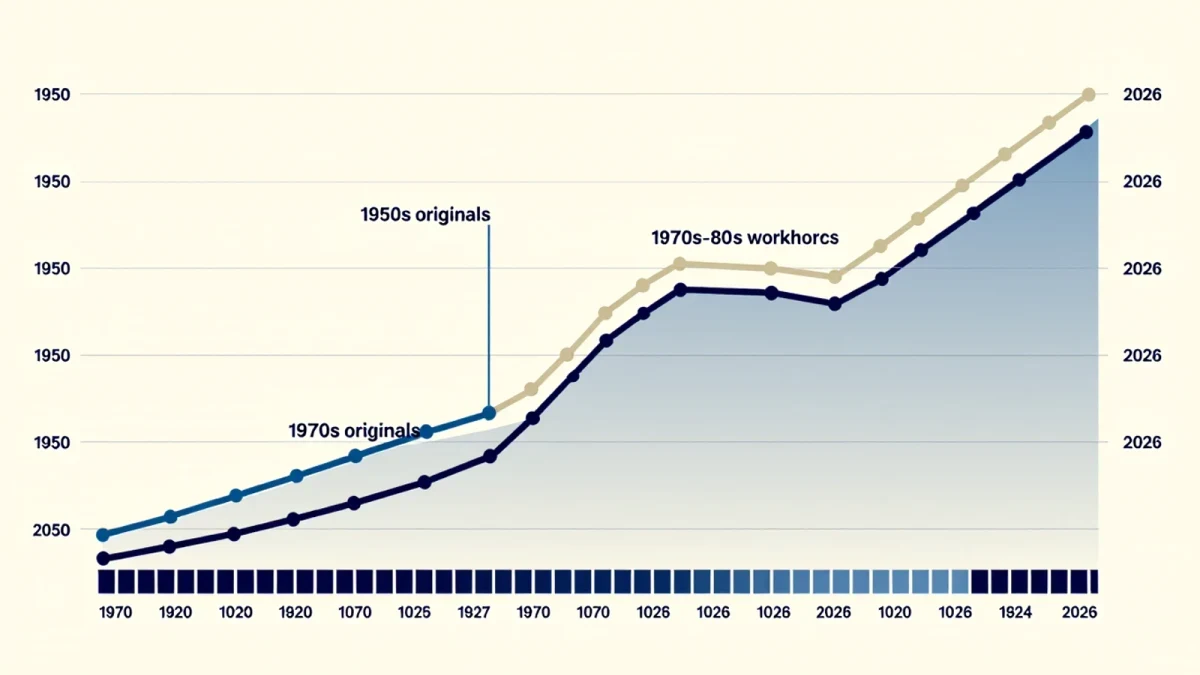
Vintage guitar values in 2026 split into two markets: a headline tier of 1950s originals that keeps setting high asking ranges, and a broad middle tier where playable history remains affordable. Per Vintage Guitar magazine's annual 2026 valuation coverage, a 1950 Fender Broadcaster now carries a value range of $150,000 to $250,000, and 1955 Gibson Goldtops with P-90s run $80,000 to $100,000. Meanwhile, European market analysis at vintage-guitar-world.com reports average year-on-year vintage price increases of roughly 8 to 12 percent. Those numbers describe a healthy collector market — and a used market where working players can still buy smart if they know which tiers they are shopping in.
Why do 1950s originals cost as much as houses used to?
Scarcity plus documentation. The Broadcaster was built for roughly two years before a naming dispute forced a change, so surviving examples are few, and their ownership chains are studied in public. Values at this level follow the same logic as art: condition, originality, provenance, and rarity set the price, and small details move it by tens of thousands. That is also why this tier is a poor guide for ordinary buyers — a Broadcaster's price says nothing about what a 1970s solidbody should cost. Read the top of the market as entertainment unless you have appraisal, authentication, and insurance lined up, because disputed authenticity and valuation at this level is a specialist legal field, not a magazine judgment.
Where is the actual value for players?
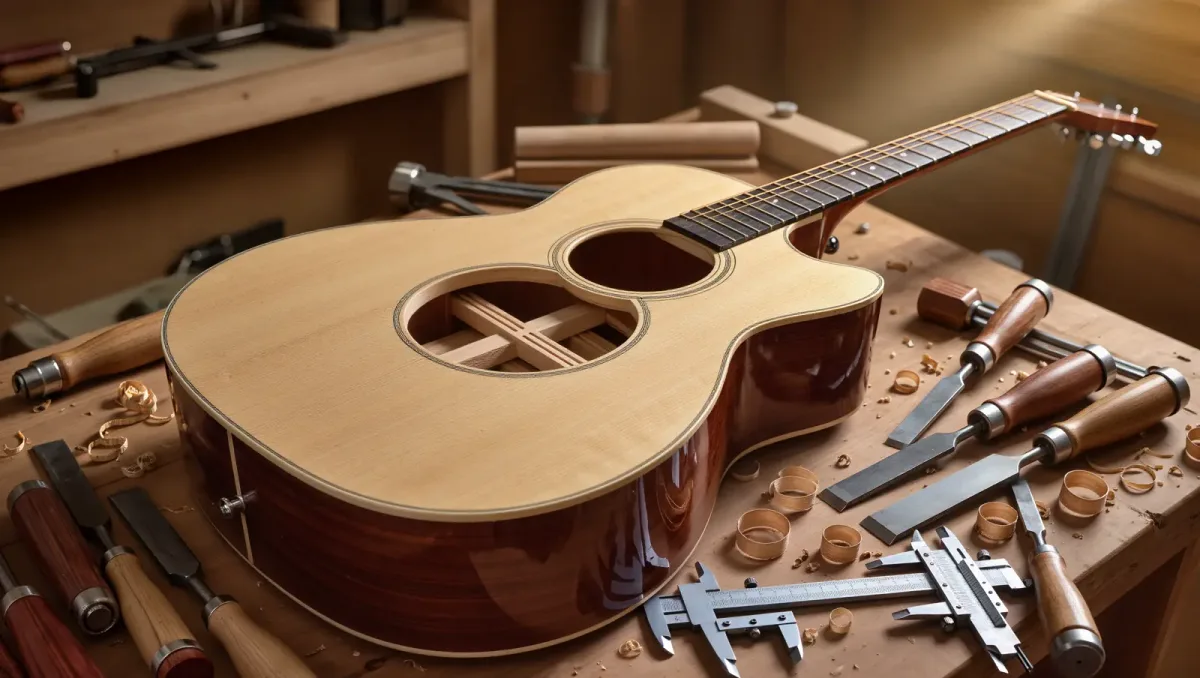
In the middle tiers: the 1970s and 1980s workhorses that collectors stopped chasing long ago. These guitars were built in large numbers, often to solid if unglamorous specs, and the market prices them as instruments rather than artifacts. The practical checklist for any vintage buy: originality (are the pickups, tuners, and finish original, or changed?), structural condition (neck set, refrets, cracks and repairs), and playability before pedigree — a refinished guitar with a great neck is a player's guitar at a discount a collector will never pay. Every claim about a guitar's originality should come from inspection or a written assessment, not the seller's listing language. For any purchase above routine money, an independent appraisal before payment is the standard protection.
How do you track values without guessing?
Use three dated sources and never a single one. Vintage Guitar magazine's price guides and annual valuation features give US-market reference ranges, updated yearly — its 2026 figures are the ones quoted above. Auction results from the specialist houses — Christie's guitars department, Heritage Auctions, Gardiner Houlgate in the UK, which ran specialist sales through 2026 — show real hammer prices, which differ from asking prices. And completed-sales data from the major resale platforms shows what instruments actually change hands for. Note the difference: a dealer's tag is an asking price; an auction result is a transaction. Values move with condition and documentation far more than with model-year alone.
Should you buy vintage as an investment?
Treat that question with suspicion. The 8 to 12 percent annual appreciation reported for 2026 describes a market aggregate, not the guitar in front of you, and it follows years when vintage prices did stagnate. Instruments are illiquid, transaction costs are high, storage and setup cost money, and the market rewards originality a buyer often cannot verify alone. The defensible reasons to buy vintage are tone, feel, and history — an old guitar that you play is worth what it does for you regardless of the next auction cycle. Buy the instrument, keep the receipts, insure it properly, and let appreciation be a possibility rather than the plan.
What should first-time vintage buyers check before money moves?
Work through a fixed sequence and write down what you find. Originality first: ask specifically about pickups, tuners, nut, bridge, and finish, because sellers routinely describe changed parts as "upgrades" — a word that lowers collector value while sometimes improving playability, so decide which market you are buying in. Structure second: a neck reset on a bolt-on instrument is cheap; on a set-neck or acoustic it is a luthier bill that can erase your discount. Documentation third: receipts, repair records, and any prior appraisal are worth real money at resale. And buy from venues with return terms or from specialists with reputations to protect — the major auction houses authenticate what they sell, which is part of what their buyer premiums pay for. If a seller resists questions or inspection, that is the whole answer.
Where is the vintage market likely heading after 2026?
Nobody knows, and any writer who claims otherwise is selling something. What can be said from the documented present: the collector tier keeps drawing international money, the middle tier benefits from the same used-market strength that rising new prices create, and the segments most at risk are the ordinary guitars still selling near their original prices decades later — those have quietly been the bargains of the market, and their turn tends to come when a new generation of players rediscovers them. The 8 to 12 percent figure quoted for 2026 describes a moment, not a law. Buy the guitar, verify everything, insure it, play it, and let the market do whatever it is going to do.