
Guitars
Different Ways to Strum a Guitar, Explained
Pick, fingers, thumb, or hybrid — each right-hand approach changes what your guitar can do.
Instruments and signal chain in detail: pickups, woods and construction, amp circuits, pedal order, string gauge, intonation, and repairs worth paying for.
Pick, fingers, thumb, or hybrid — each right-hand approach changes what your guitar can do.
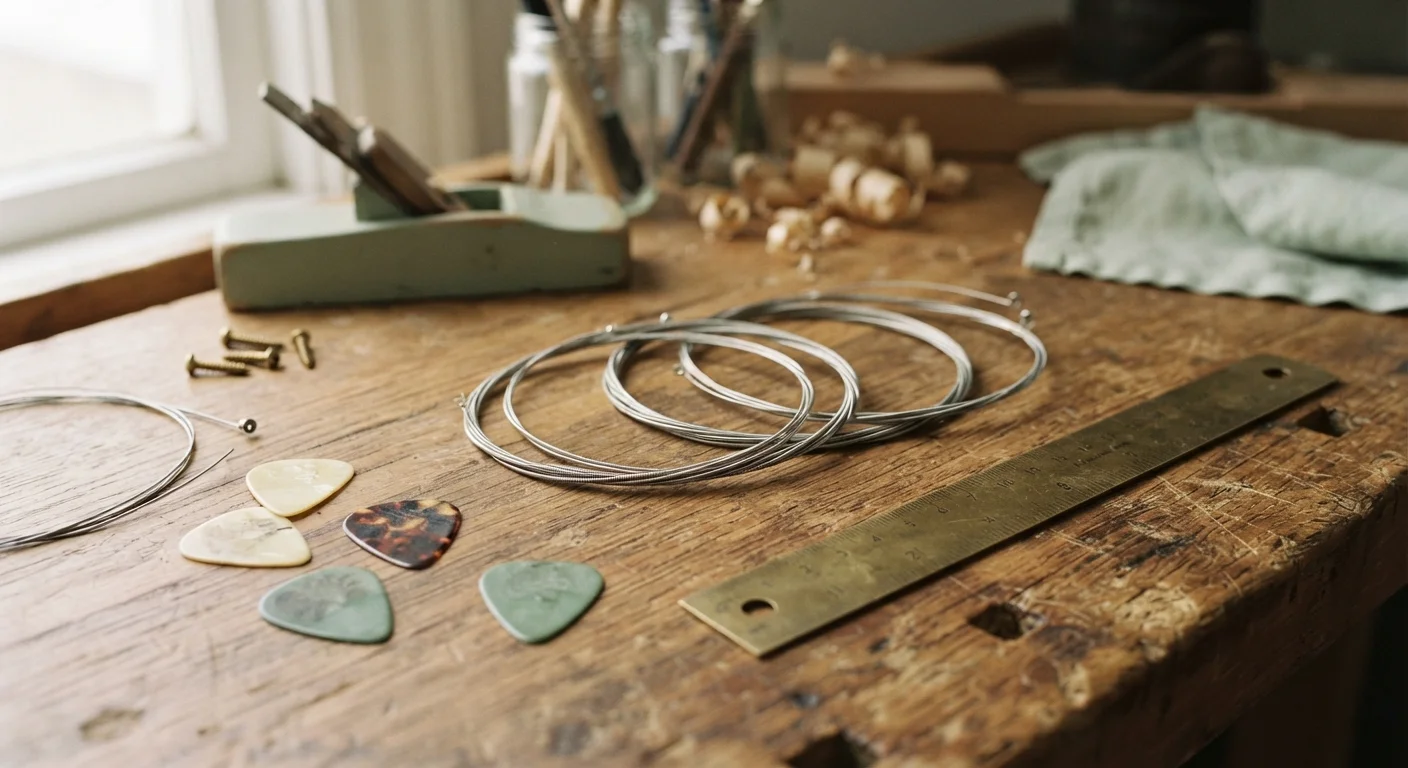
The distance from nut to bridge sets string tension, fret spacing, and how the same gauge bends — the two classic lengths are a whole playing philosophy apart.
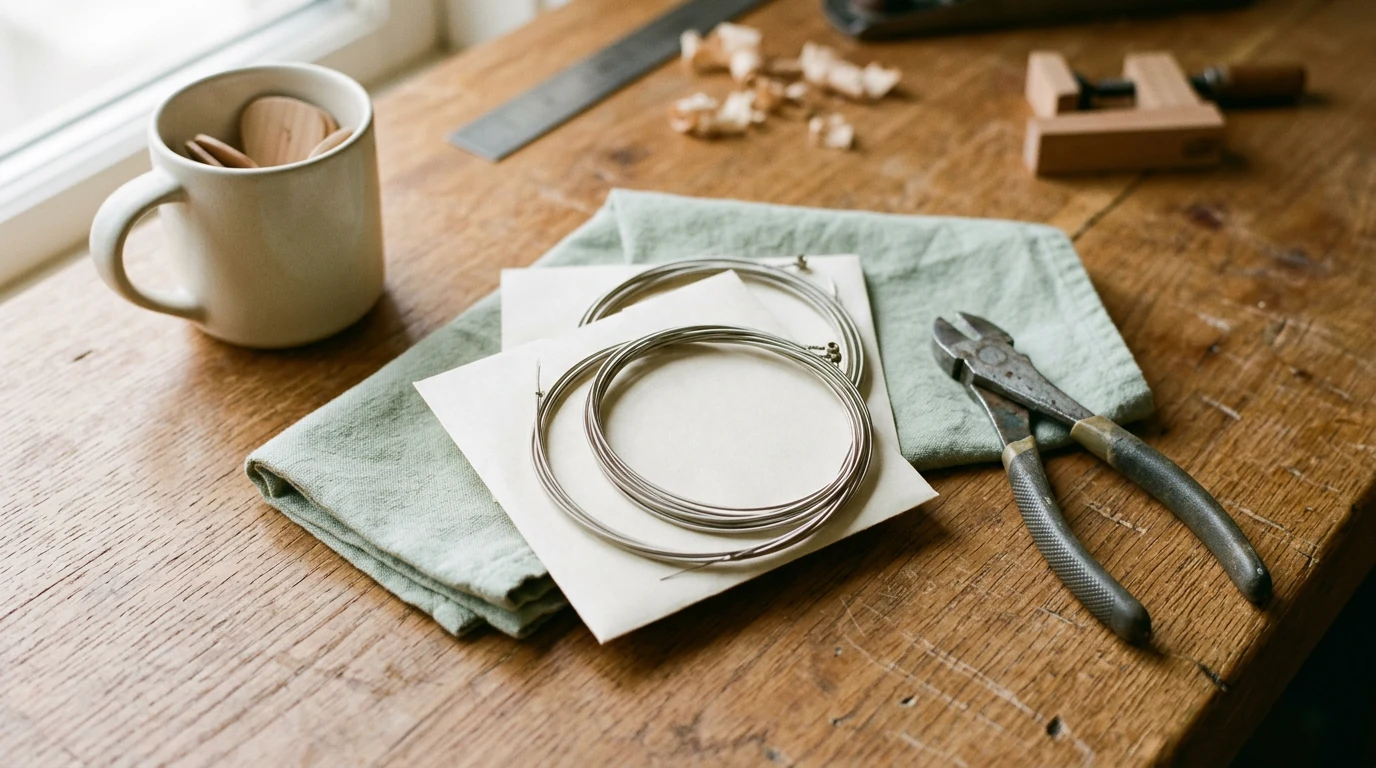
String makers' published guidance lands at roughly 100 playing hours or three months for a casual player — and your ears are the final gauge.
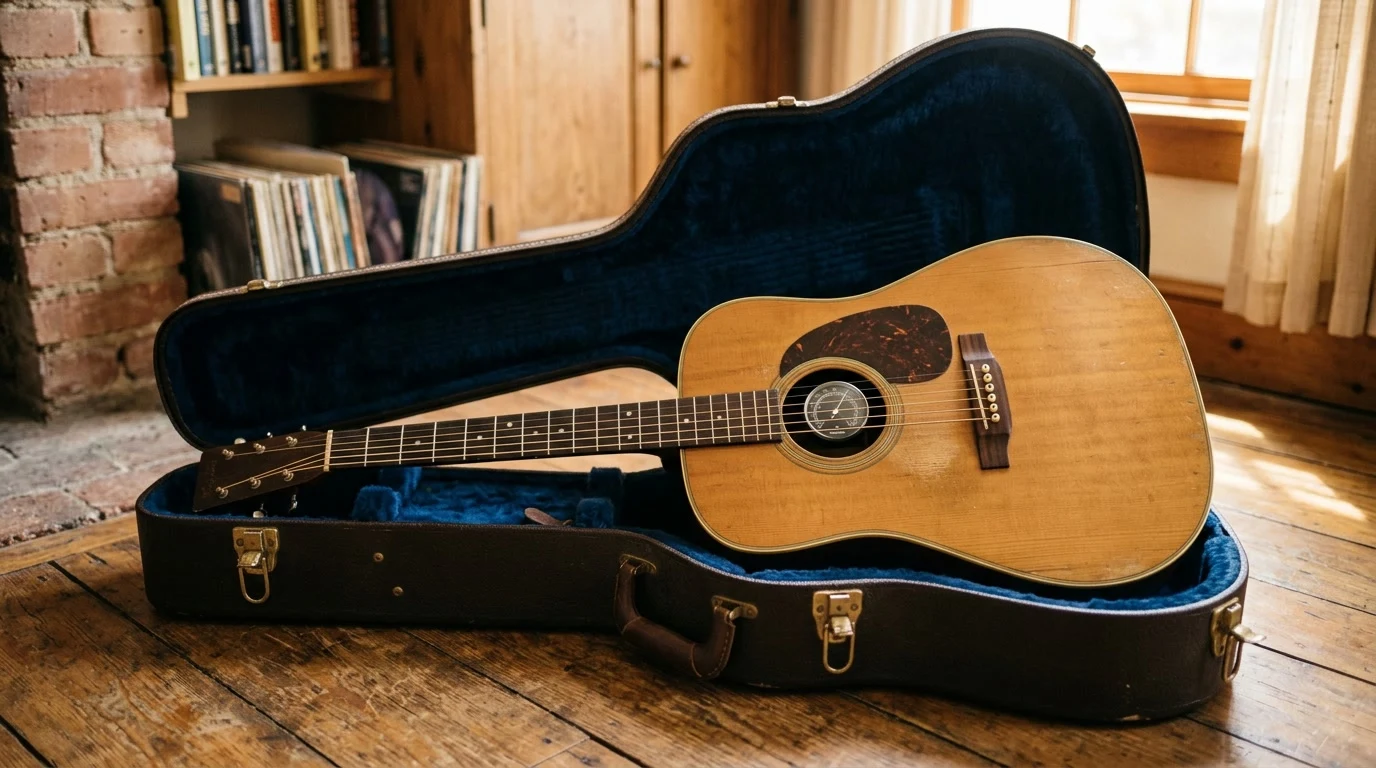
Wood expands and shrinks with the air around it, and both Martin and Taylor document what happens to a guitar outside a narrow humidity band.
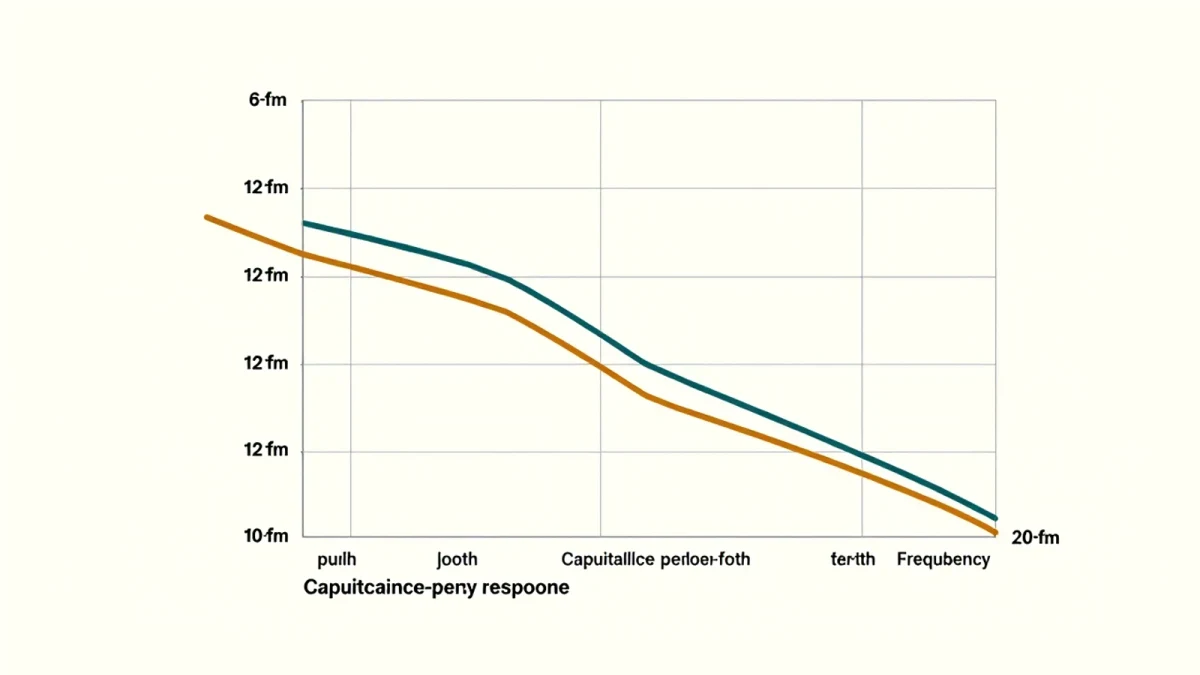
Cable capacitance rolls off your high end as length grows — a measurable property of every instrument cable, and the reason a 20-foot run sounds darker than a 6-footer.
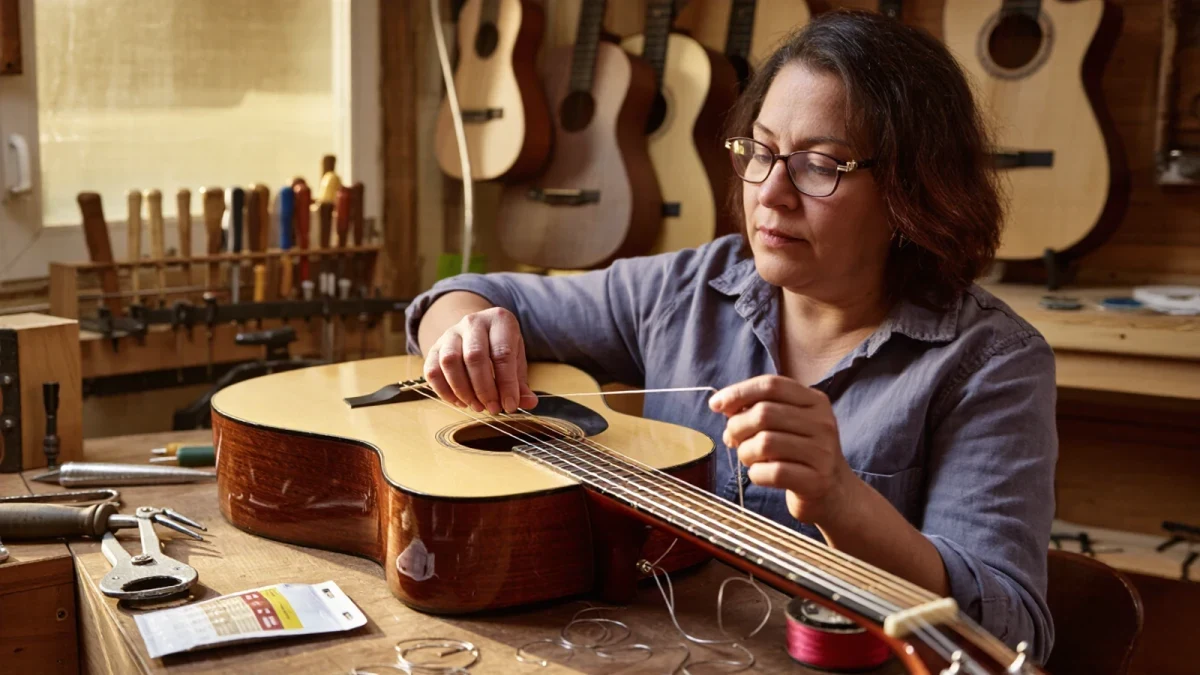
Pin bridges anchor strings with six bridge pins; pinless bridges thread strings through the block from inside the tail — and the practical differences are speed, string cost, and one controversial claim.