Classical Music
The Best Classical Music Radio Stations in Boston
Where to hear classical music on Boston radio: WCRB 99.5, GBH 89.7 and the HD Radio simulcasts and rebroadcasts that carry the classics.
Blues, folk, bluegrass, rock and beyond traced through the playing: tunings, chord voicings, rhythm feel, and the records that set each template.
Where to hear classical music on Boston radio: WCRB 99.5, GBH 89.7 and the HD Radio simulcasts and rebroadcasts that carry the classics.
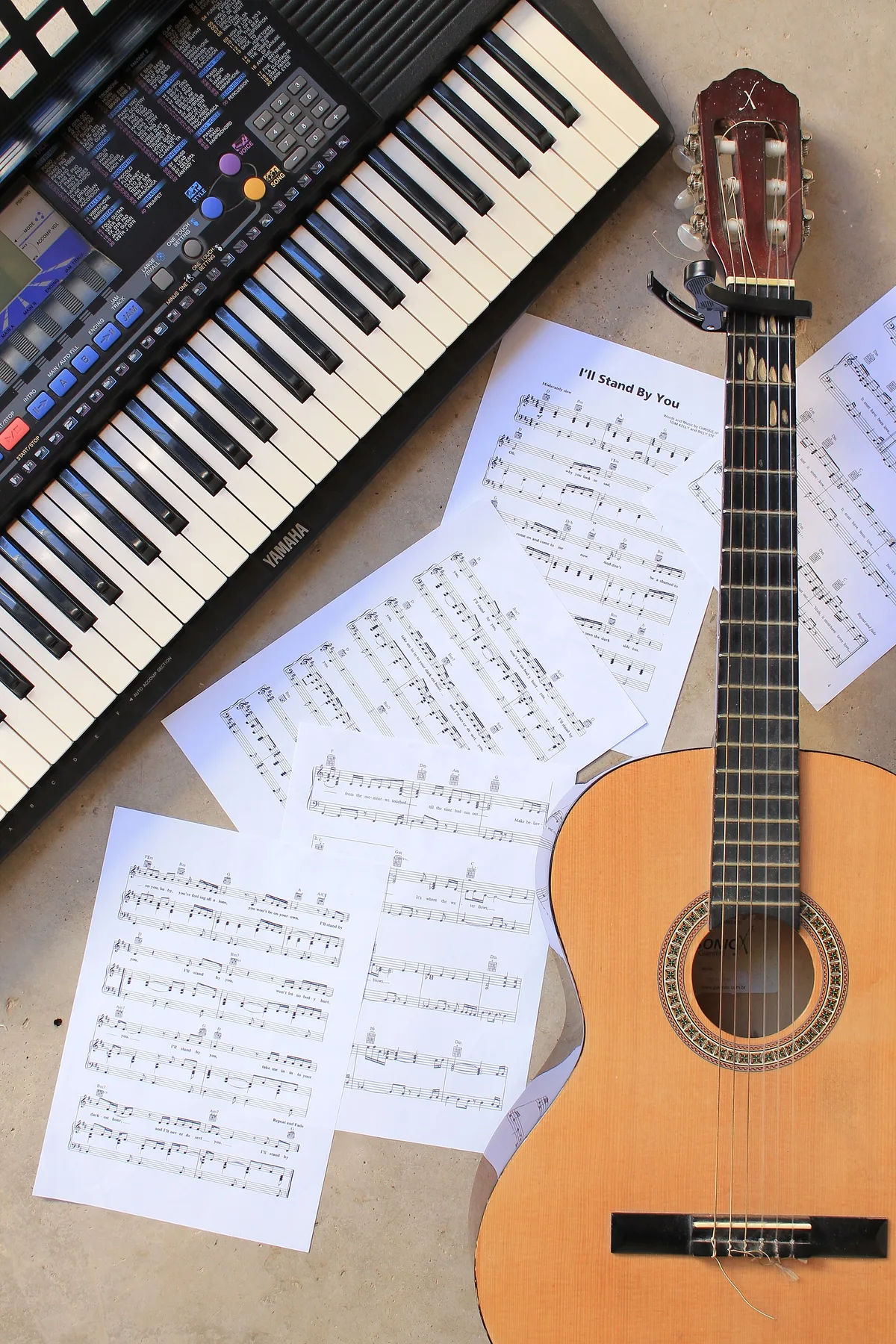
A simple beginner's map to classical music forms: the symphony, the concerto, sonata form, string quartets and the eras that shaped them.

A year-round guide to classical music in Boston: Symphony Hall, the Boston Symphony Orchestra, the Boston Pops and Jordan Hall at the New England Conservatory.

A campus kickoff earned real attention. Whether the month's programming backs it up is the fairer test.
Tempo, dynamics and playlist length decide whether the music helps you focus or pulls you out of the page.

The word covers everyone from Stradivari's heirs to the person who fixes your buzzing nut. Here is what the trade actually does, and when you should hand over your guitar.