Classical Music
Drop D Tuning: The One-String Change That Reshapes Rhythm Playing
Lower one string a whole step and you get a deeper low end, one-finger power chords, and a droning open sound that rock and folk players keep coming back to.
Blues, folk, bluegrass, rock and beyond traced through the playing: tunings, chord voicings, rhythm feel, and the records that set each template.
Lower one string a whole step and you get a deeper low end, one-finger power chords, and a droning open sound that rock and folk players keep coming back to.
A single concert listing reveals how regional orchestras structure a season opener to hold onto an audience.
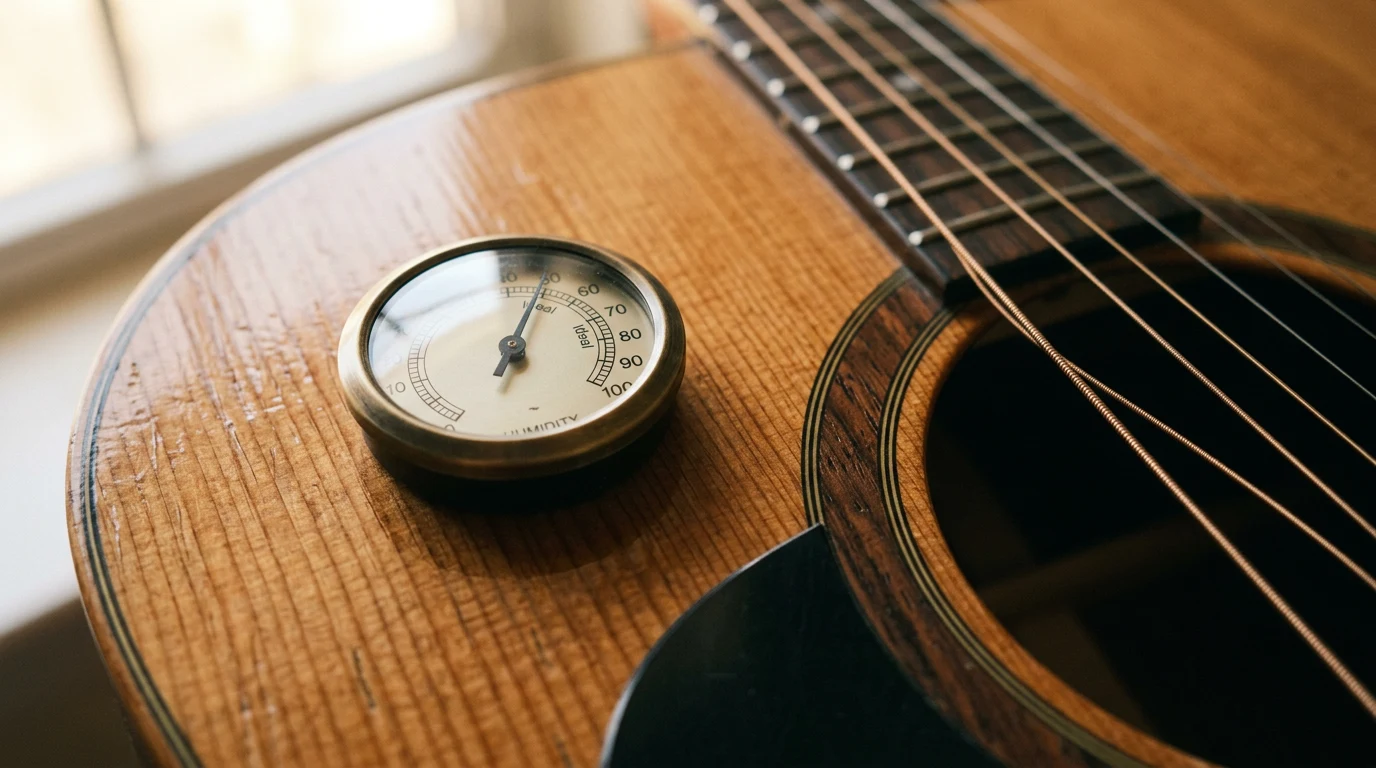
Wood keeps trading moisture with the air around it. Here is the equilibrium data behind the humidity window Taylor and Martin both publish, what dry and wet guitars look like, and how to check the hygrometer you are trusting.
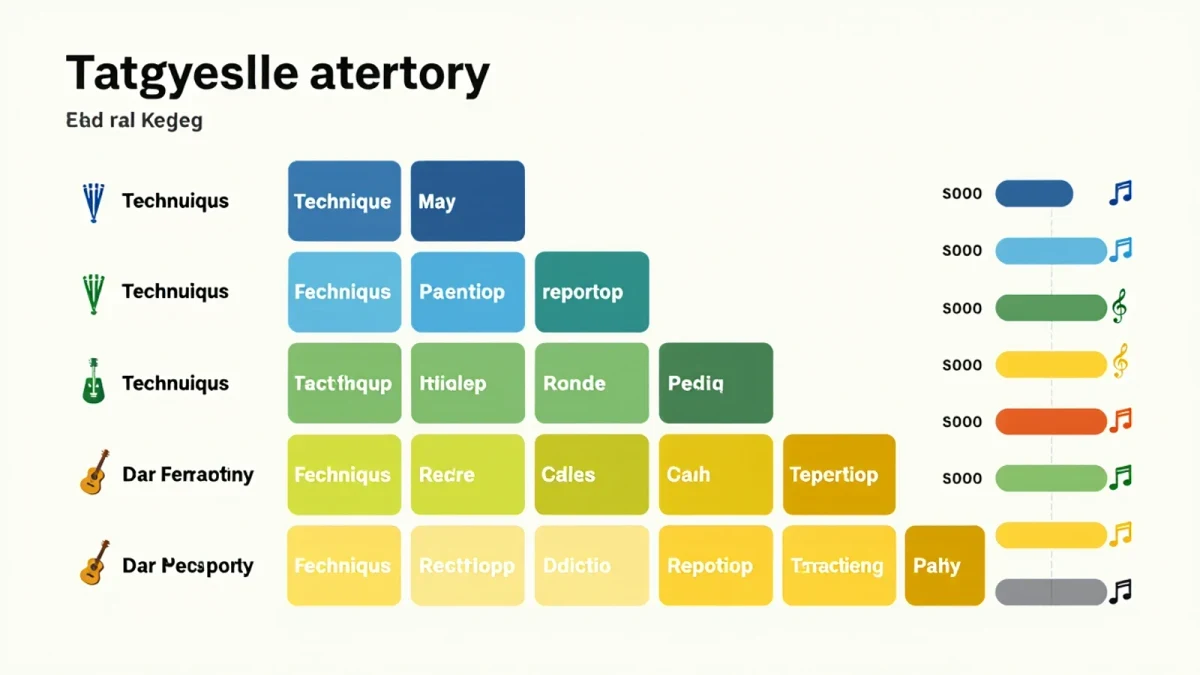
A workable classical guitar routine splits the hour into technique, repertoire, and reading — with slow practice as the engine of all three.

The wound strings on a classical guitar are not steel at all — the real choice is between bright bronze-family windings and warm silver-plated copper, and it changes your bass voice.

Fan bracing is the Torres-era traditional voice; lattice bracing trades that warmth for volume — here is how the two systems work and who each suits.