
Classical Music
Classical Bass Strings: Brass vs Steel
The wound strings on a classical guitar are not steel at all — the real choice is between bright bronze-family windings and warm silver-plated copper, and it changes your bass voice.
Blues, folk, bluegrass, rock and beyond traced through the playing: tunings, chord voicings, rhythm feel, and the records that set each template.
The wound strings on a classical guitar are not steel at all — the real choice is between bright bronze-family windings and warm silver-plated copper, and it changes your bass voice.
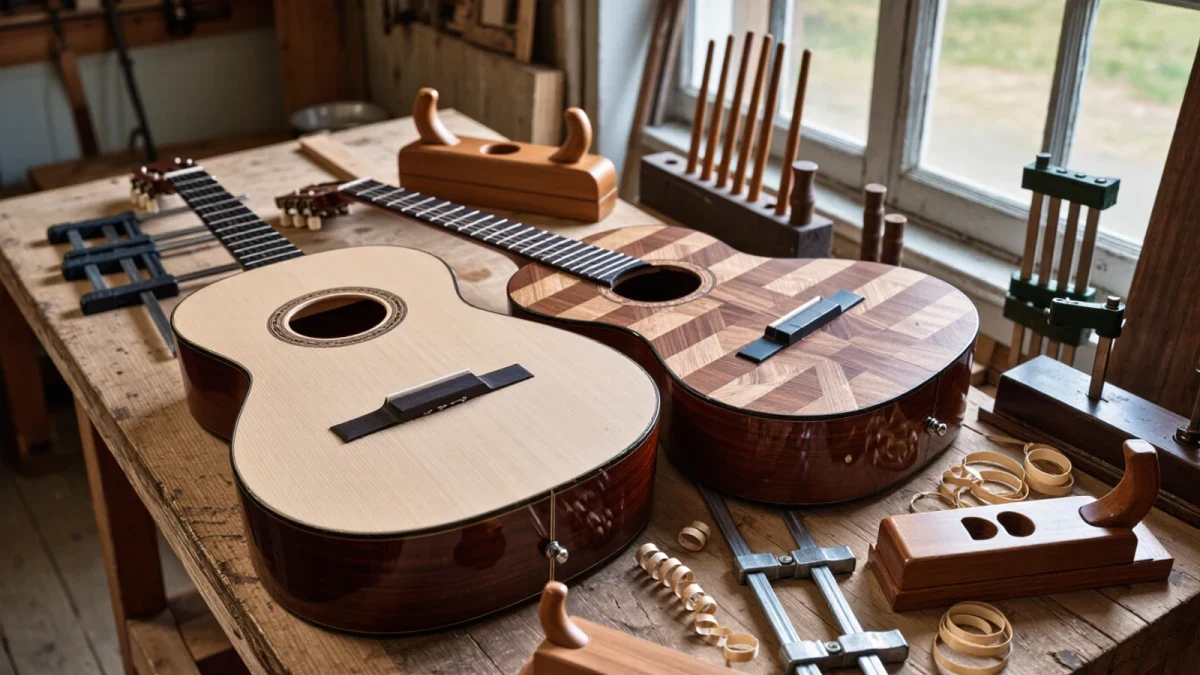
Fan bracing is the Torres-era traditional voice; lattice bracing trades that warmth for volume — here is how the two systems work and who each suits.
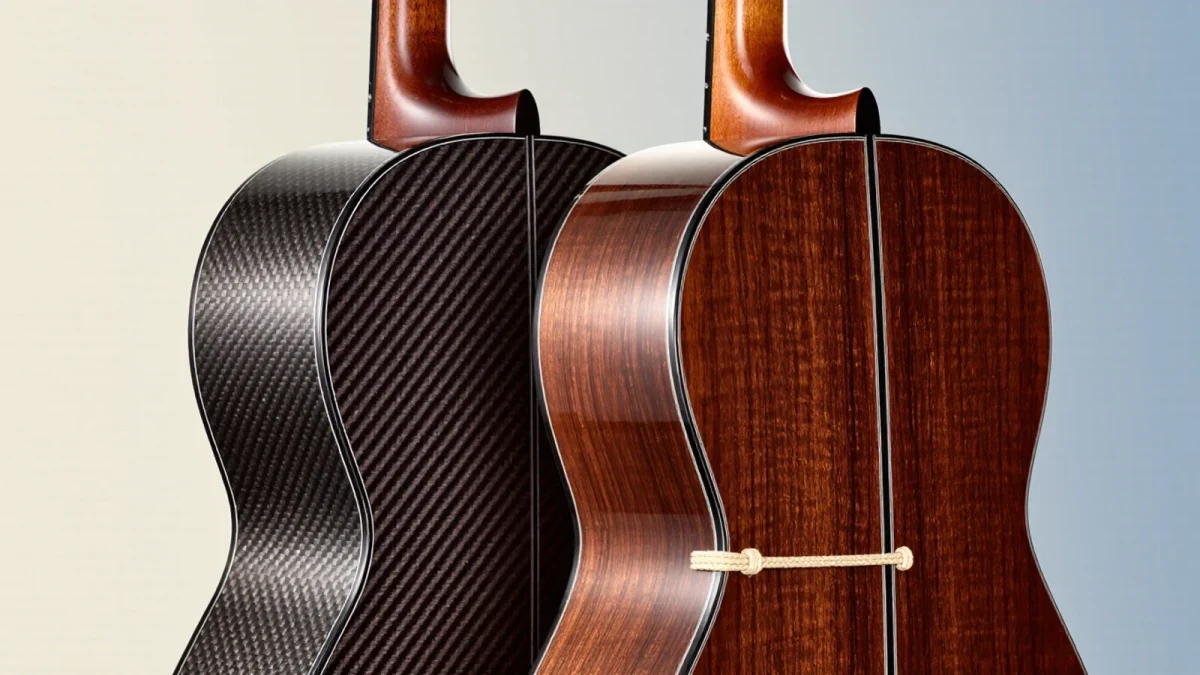
Composite guitars shrug off humidity and travel damage; wood still owns the traditional concert sound — the decision splits by climate and gig calendar.

The Paraguayan guitarist composed over three hundred works, toured three continents in drag-inspired concert persona, and died obscure — then became the repertoire's centerpiece.
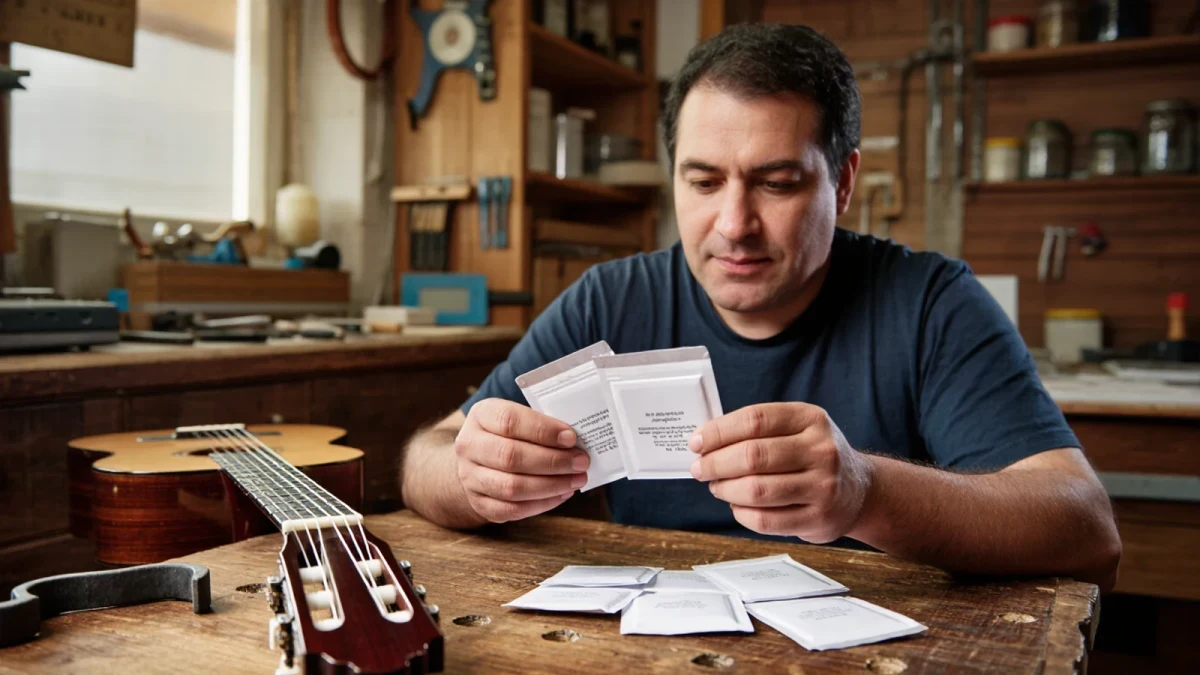
Normal, hard, or extra-hard nylon sets change feel, volume, and setup — here is what the tension charts actually say.

Apoyando plants the finger on the next string for power; tirando sails past it for speed and polyphony — classical technique runs on the pair.