
Artists
Keith Richards and Open G: Why Five Strings Changed Rhythm Guitar
Keith Richards removed a string, tuned to open G, and rebuilt Rolling Stones rhythm guitar around five ringing strings. Here is what the tuning is and why it works.
Guitarists and string players profiled through what they actually do: right-hand attack, tunings, gear choices, and the sound they became known for.
Keith Richards removed a string, tuned to open G, and rebuilt Rolling Stones rhythm guitar around five ringing strings. Here is what the tuning is and why it works.
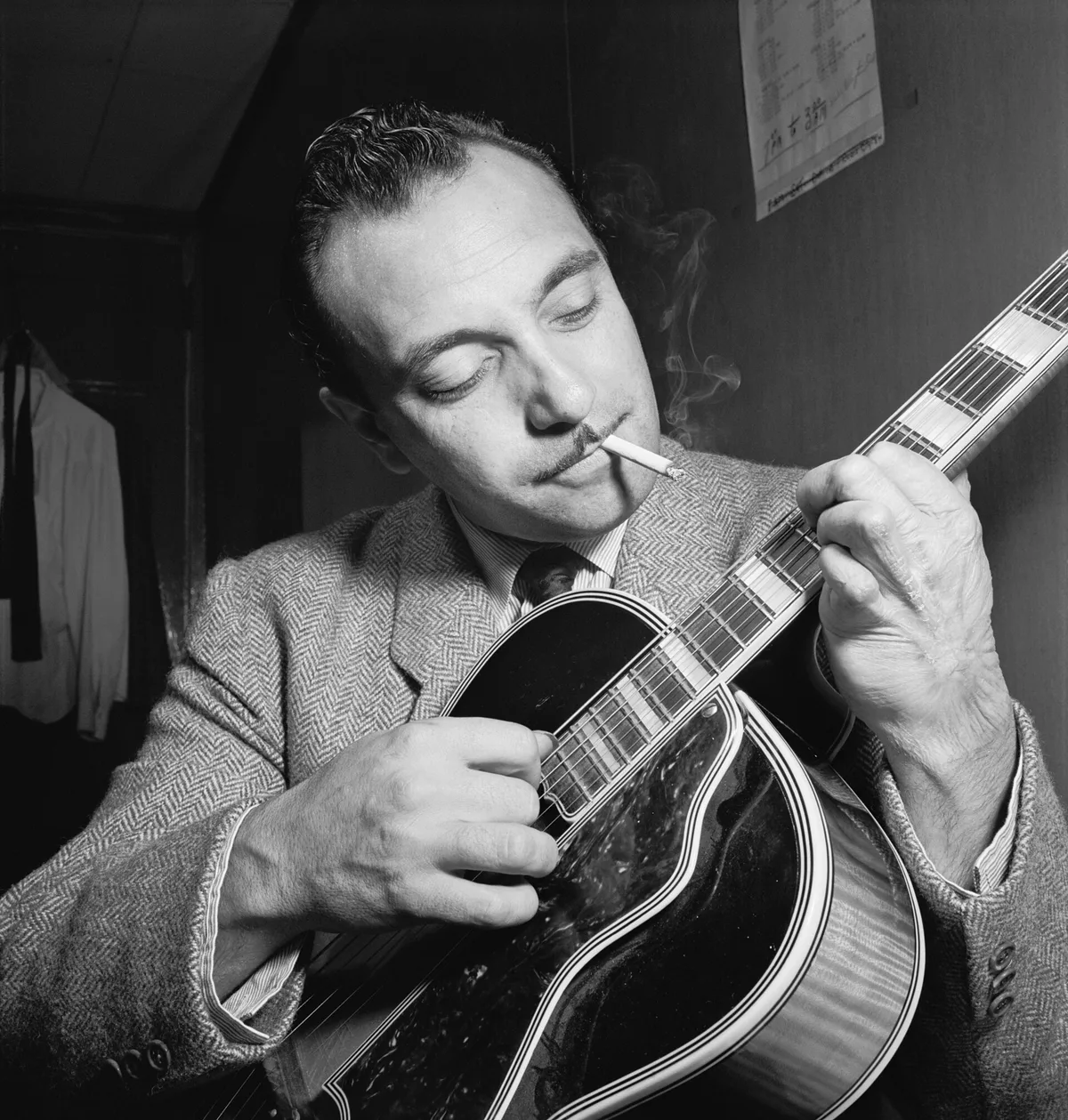
Django Reinhardt built gypsy jazz guitar on a fierce picked attack, percussive la pompe rhythm and a left hand rebuilt after a fire. Here is how his technique actually worked.

Pitch correction, live takes and honest ways to judge a voice — without the myths.
Two string families built for two different instruments, two different right hands, and two very different sounds.

Two right hands, two instruments in effect. Here is what each one does to your sound and where each one earns its keep.

Long before the phrase 'guitar hero' existed, Sister Rosetta Tharpe was filling stadiums and bending the instrument to her will — a documented look at the player the Rock and Roll Hall of Fame credits with shaping the sound that followed her.