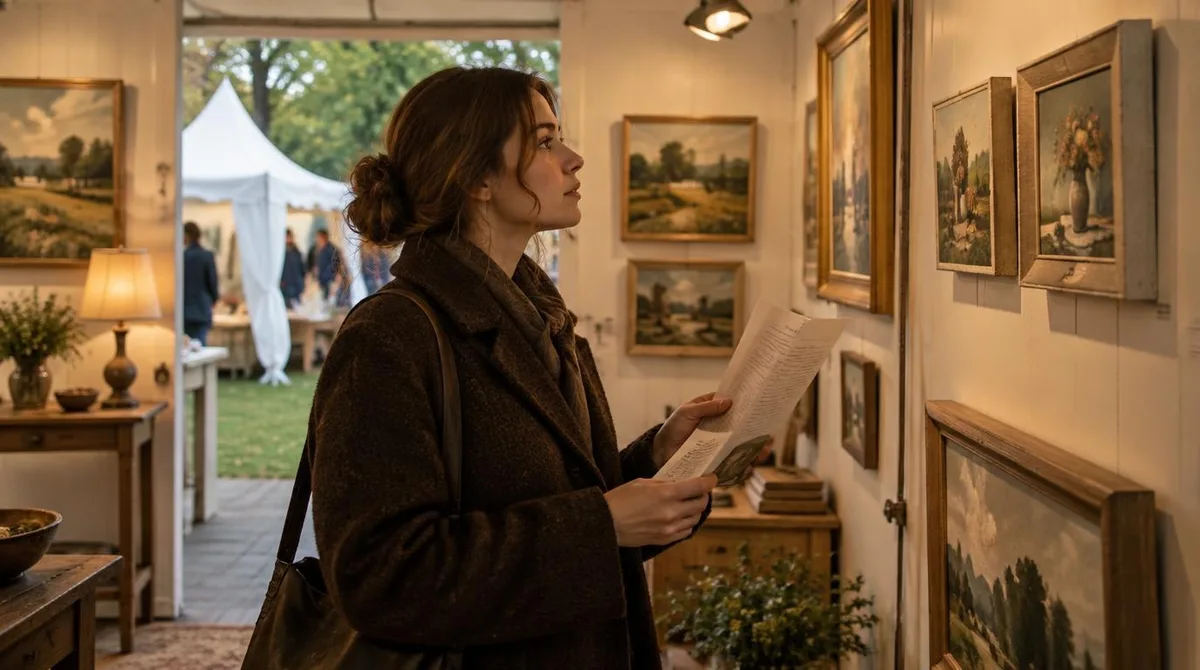
An island changes how artists work. Materials cost more to ship, gallery walls are seasonal, and the audience changes every few months. That is the backdrop against which artist associations on Nantucket do their job: they give painters, printmakers, and craftspeople a steady place to show, learn, and sell when the ferry schedule alone would not.
This piece is a community portrait in the general sense. It explains what these organizations typically do, how their exhibition and mentorship cycles fit an island calendar, and what a working artist gains from joining. Where a specific program detail matters, check the organization directly; this article describes durable patterns, not a verified roster of current offerings.
What does an artist association actually do?
Strip away the gallery lighting and the opening-night wine, and an artist association does three things. It exhibits member work. It teaches, through classes, critiques, and workshops. And it handles the unglamorous logistics of a working art life: insurance, sales tax questions, framing standards, and the simple problem of finding studio space on an island where real estate is scarce.
The word itself is broader than most people assume. According to Wikipedia, an artist is a person who creates art or practices the arts, and the term in everyday speech most often refers to practitioners of the visual arts such as painting or drawing, though it also covers performers and writers. Island associations tend to mirror that breadth. A Nantucket member list typically includes oil painters alongside weavers, photographers, ceramicists, and jewelry makers, because on a small island the craft-versus-fine-art boundary matters less than whether the work can hang, sit, or sell in a shared space.
The Cambridge Dictionary defines an artist as someone who paints, draws, makes sculptures, performs music, or creates things with great skill and imagination. That last clause is the one associations take seriously. Skill and imagination are the membership criteria, not credentials. Many island groups accept members by portfolio review rather than by degree, which keeps the door open to self-taught painters who moved to the island for other work and built a practice on the side.
How does a seasonal island shape the exhibition calendar?
Every coastal art town runs on the same clock. Summer brings the visitors, so summer brings the shows. An association's year usually builds toward a peak season of juried exhibitions and gallery hours, then shifts in the shoulder months toward member meetings, workshops, and the quiet business of planning.
What this means for an artist is a rhythm with real trade-offs. The crowded summer wall is the best sales opportunity of the year, and it is also the most competitive. Juried shows decide whose work gets the front room, and a juror brought in from off-island can reset expectations from one year to the next. The off-season, by contrast, offers space to experiment without a sales deadline attached. Many working painters treat the winter months as studio time and the summer as the market. Readers following this should also see Chet Atkins: How One Thumb Built Nashville.
There is a second, subtler effect. Because the audience is largely seasonal, island artists often develop work that speaks to both groups at once: visitors who want a memory of the place, and year-round residents who know the harbor in February. The associations that thrive tend to program for both, mixing straightforward landscape and marine shows with more challenging member exhibitions in the quiet months. This connects to our earlier piece, Artists Who Can Sing vs Artists Who Cant Sing — Artists Who Can Sing vs. Artists Who Can't: The Facts.
Where does mentorship happen?
Mentorship on an island rarely looks like a formal program with a nameplate. It looks like a critique night. It looks like an established painter letting a newer member share booth duty at an outdoor fair. It looks like the informal apprenticeship of a shared studio building, where a question about varnish or pricing gets answered by whoever is standing nearby.
That said, the structured forms matter too, and associations generally run a predictable set of them:
- Classes and workshops. Taught by member artists, usually in a dedicated studio space, often scheduled around the shoulder seasons when locals have time to attend.
- Juried shows with feedback. A rejection with a juror's note teaches more than an acceptance with none.
- Scholarships and youth programs. Many associations fund high school seniors or summer students, which is often the only formal art instruction available on-island.
- Peer critique groups. Small, recurring, and usually the least advertised but most used benefit of membership.
The historical pattern behind all of this is old. As My Modern Met notes in its survey of famous artists, many of the best-known names in art history were not recognized for their talents until decades after their death, and art has had an unfortunate history of excluding women and people of color. Local associations exist partly as a correction to that history: they are the layer where recognition can happen in a living artist's own town, on a first-name basis, without waiting for a museum two centuries hence.
What does membership actually cost and return?
Costs come in three forms, and it is worth naming all three. There is the annual dues, which funds the gallery space and the programming. There is the time commitment, since most associations run on member volunteers for gallery sitting, show installation, and event staffing. And there is the commission: when the association sells your work, it keeps a percentage, a standard arrangement that pays for the walls your work hangs on.
The return is harder to price. A membership buys visibility in a market a solo artist could not open alone, a calendar of deadlines that keeps a studio practice moving, and a peer group that knows what a winter on the island does to morale. For an artist new to the island, it is also the fastest route into the local network, the one that knows which framer is reliable and which landlord will tolerate turpentine.
Our analysis of the pattern, drawn from how such organizations operate broadly: the associations that last are the ones that treat the summer show as the funding engine and the off-season programming as the mission. Flip that, and the gallery becomes a seasonal shop with a mailing list.
How should a new island artist get started?
Start with the portfolio, not the paperwork. Most associations review new members on images of recent work, so the practical first step is a coherent set of ten to fifteen pieces, photographed well. Then attend a public event before joining. An opening or an outdoor exhibition tells you more about an organization's culture than its website does, and it introduces you to members who will later recognize your name on an application.
Once in, volunteer for one show cycle. Installing an exhibition teaches you how work is selected and hung, and gallery-sitting hours put you in the room where collectors actually look. Both are worth more than an extra entry fee.
For readers following working players and makers across this magazine, the same dynamics recur everywhere: Artists in any field build careers on community infrastructure, whether that is a gallery wall or a stage. The craft differs; the need for a room of peers does not.
The honest limits of this portrait
The evidence here establishes what artist associations do as a category and how island geography shapes that work. It does not establish current membership figures, current exhibition schedules, or the present leadership of any specific Nantucket organization, and this article does not claim to. Those details change annually and belong to the organizations themselves. What the general record supports is the durable core: on a small island, an artist association is not a luxury or a social club. It is the infrastructure that makes a working art life possible between the ferries.