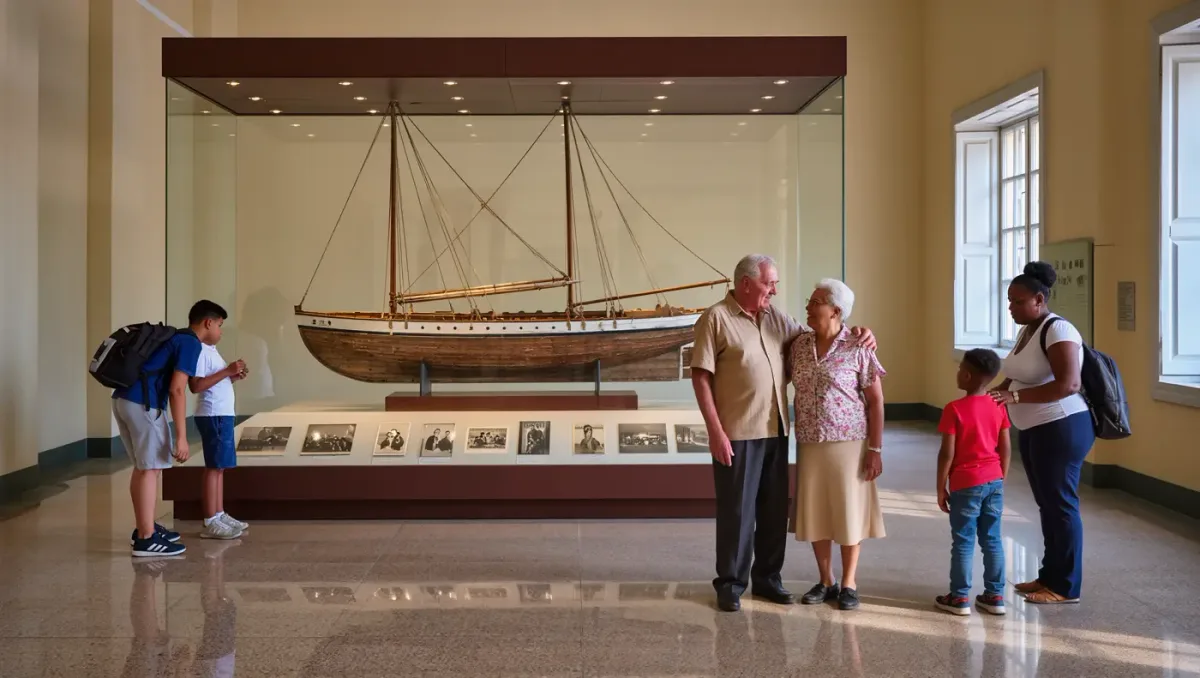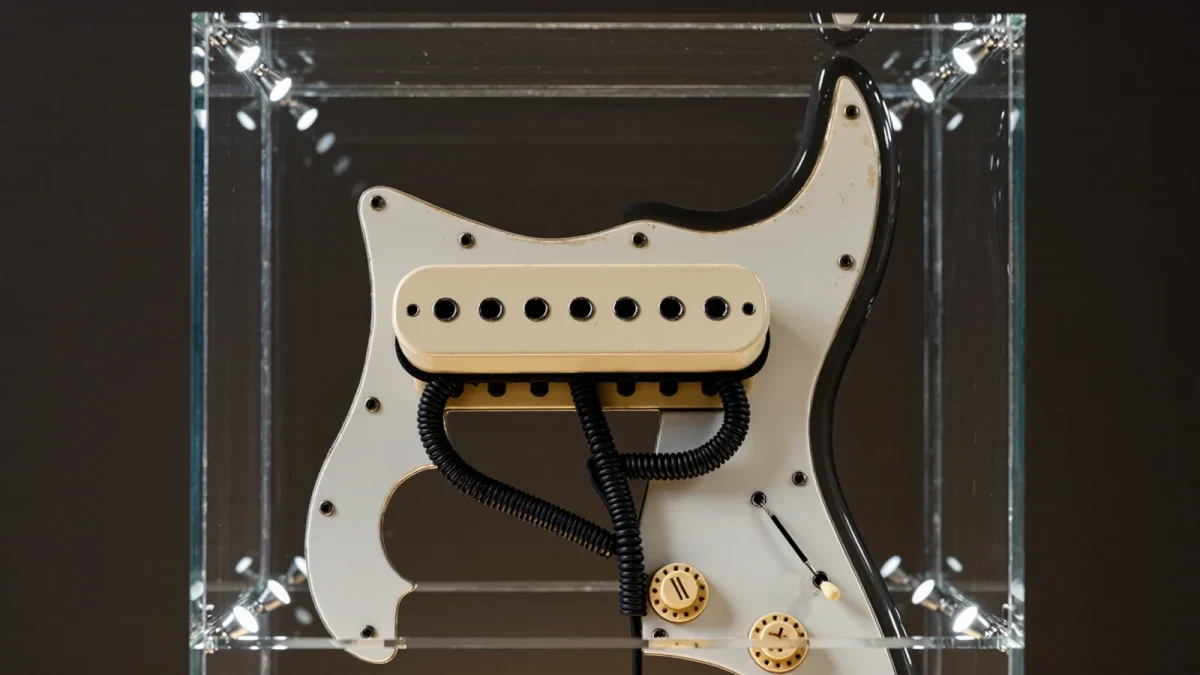
Fender history is permanently on public display at the Fullerton Museum Center in Fullerton, California, in Orange County — Leo Fender's home turf and the town where the Broadcaster, Telecaster, and Precision Bass were developed. The museum's Leo Fender Gallery is a permanent exhibit space with rotating displays covering Fender advertising, patent schematics, electric basses, and custom instruments from both Fender and G&L, the company Leo founded after leaving Fender, per the museum's own exhibit pages. A rotating exhibition program runs November 22, 2025 through December 1, 2026, per the museum's calendar, making 2026 a strong year to visit.
Why is the important Fender collection in Fullerton and not Scottsdale?
Because Fullerton is where it happened. Fender Electric Instrument Manufacturing Company built guitars in Fullerton from 1946 until the company sold to CBS in 1965, and Leo Fender's radio-repair roots in Orange County shaped the instruments — designed like practical electronics, serviceable with a screwdriver, built for working musicians. Today's Fender corporation is headquartered in Arizona, but the physical history stayed in the town that made it. The Fullerton Museum Center, a city museum a short walk from the old factory site, holds the Leo Fender Gallery as its anchor and supplements it with exhibits on Fullerton's broader cultural history, per the museum's site. Visiting is as much a lesson in California manufacturing as in guitars.
What will you actually see in the Leo Fender Gallery?
Per the museum's exhibit descriptions, the gallery rotates material from its Fender and G&L holdings: period advertising that shows how the instruments were sold, patent schematics that show how Leo thought — circuits drawn like solutions to problems — plus electric basses and custom-shop instruments. The patent documents are the underrated exhibit: the Telecaster and Precision Bass patents explain the entire design philosophy of the brand, which was standardization, interchangeability, and repairability. Check the museum's current-hours page before visiting, because rotating gallery content changes through the year and special events — including community celebrations tied to Leo Fender's legacy — are scheduled around the museum's 2026 calendar.
How do you plan a guitar-history trip around it?
Fullerton sits about thirty miles southeast of downtown Los Angeles, reachable by Metrolink rail, which makes the museum an easy half-day trip from LA or Anaheim. Pair it with the region's other guitar landmarks: Los Angeles remains dense with the stores and studios where these instruments built their reputations, and Orange County venues carry the same lineage. Practical notes as of mid-2026: confirm admission and hours on the museum's official site before traveling, since exhibit programming through the December 1, 2026 season includes ticketed events; and if you are flying in for guitar reasons, budget a day for LA's used-guitar shops, where instruments from Fender's various eras turn up regularly. Photograph what the museum permits — flash restrictions are common — and read the schematics slowly. They are the best free design education a guitar player can get.
Is there anything there for non-players?
Yes, and it is the same thing that is there for players: a story about how a radio repairman's pragmatism changed popular music. The exhibit material documents how a small California workshop produced the electric guitar and electric bass as we know them — instruments that made rock and roll logistically possible, affordable, and loud. Visitors who have never held a pick still recognize what's on the wall. That is the case for making the gallery a stop on any Southern California itinerary, not just a pilgrimage for tone obsessives — and it is a reminder of how much design history sits in small regional museums rather than corporate archives.
What should you know before visiting any instrument museum?
A few habits make the trip better. Check opening days and special-event schedules on the official site the week you travel — smaller city museums close certain weekdays, and rotating-gallery content means a repeat visit is not a repeat experience. Ask staff what is currently on display versus in storage, because no instrument museum shows its full collection at once; the answer often unlocks items the casual visitor never hears about. Photography policies vary by exhibit, so ask before shooting, and leave the flash off regardless, and go slow in front of the schematics and patent material — those documents reward close reading more than any glass-case guitar does. Finally, combine the visit with the local instrument economy: a town with a guitar museum almost always has repair shops and used racks worth an hour, and the people behind those counters are usually the best unofficial historians of the instruments the museum puts under glass. A museum trip planned that way costs an afternoon and returns a working education in how the instruments you play were actually built, sold, repaired, and kept alive across the decades since a Fullerton repairman first wired a pickup to a slab of pine.